Get tips, resources, and ideas sent to your inbox! ➔

Welcome to the Blog!

Search

How to Handle Lab Absences and Make-ups

It can be frustrating when students are absent on lab days. You spend a lot of time setting up and often spend money out of your own pocket for supplies. If you are doing labs often or teach multiple preps, dealing with student absences just gets harder to juggle. By
Read More »

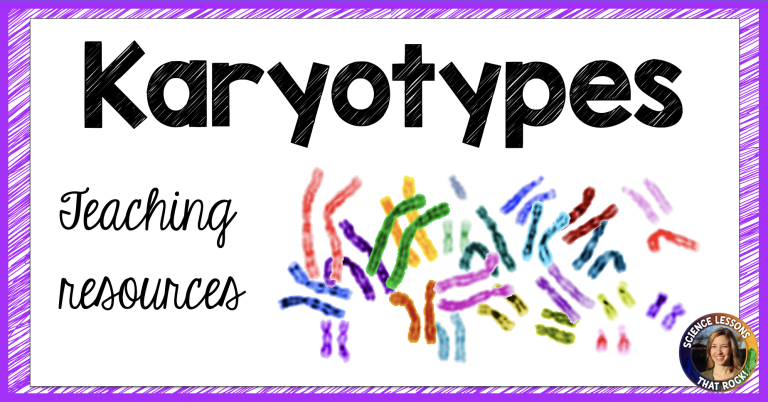
Ultimate List of Karyotype Activities

If you’ve scoured the internet looking for fun Karyotype activities like I have, you know they are few and far between. Most activities involve students cutting out 23 chromosomes, finding the homologous pair on a worksheet, and gluing them together. This activity ends with paper scraps everywhere, missing chromosomes, and

Read More »

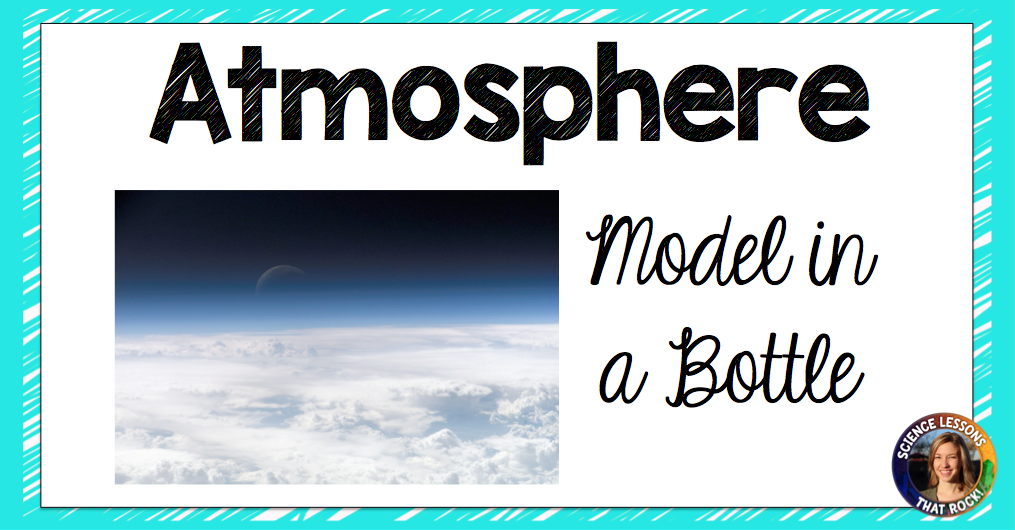
Atmosphere Model in a Bottle

Models can be powerful tools when teaching science. They allow students to visualize concepts that can be difficult to picture in their heads.If you ask students what the most abundant gas in the atmosphere is, their first guess is usually oxygen. And when you say no, their second guess tends

Read More »

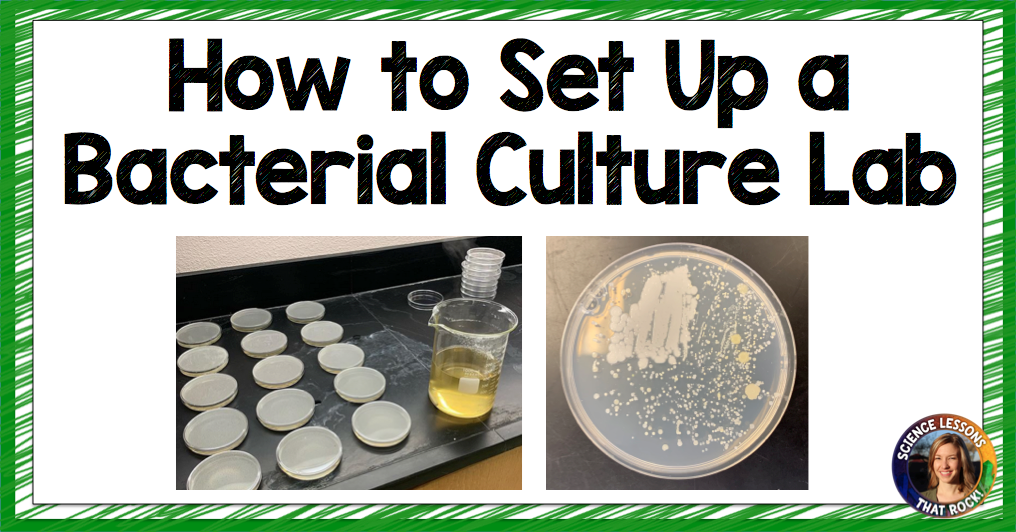
How To Set Up A Bacterial Culture Lab

I posted on Instagram last week pictures of preparing agar for my go-to first week of school lab: testing the 5 second rule. It’s a great lab for back to school because students are super engaged and it’s a good way to review variables and how to set up a

Read More »

Finding a Teacher Mentor

Meme from @DigitalDivideConquer Today is my first day back to school and my 12th year teaching. (No, I’m not actually typing this August 5th, I scheduled it out in advance. Because we all know the first day is EXHAUSTING and I’ll be in bed by 8pm. Plus this is my

Read More »

Supplemental Materials for “The Serengeti Rules”

If you read my blog post on recommended summer science reads, you saw my confession that I’m not generally a big non-fiction reader. I love to read, but fiction is my go-to. As I was compiling a science book list for students and teachers, I kept seeing and getting recommended

Read More »

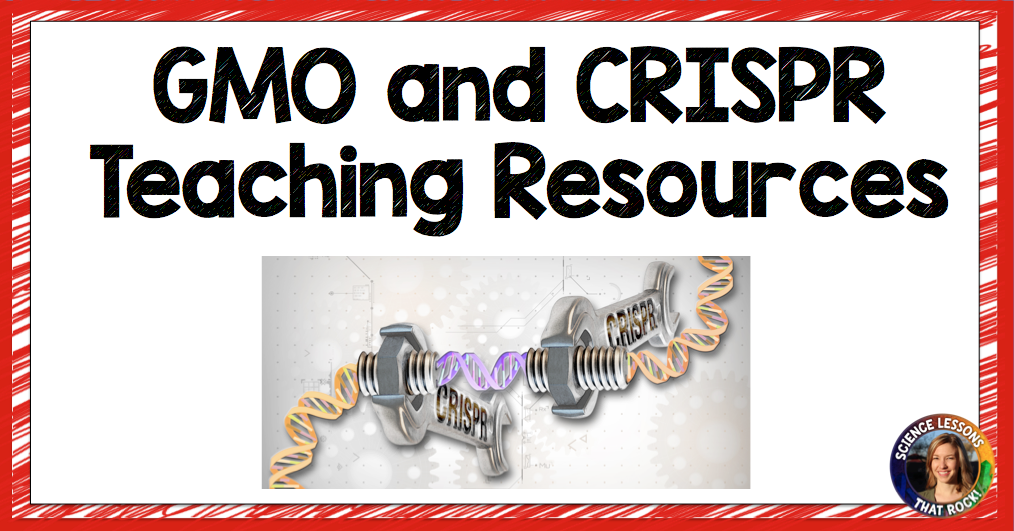
GMO and CRISPR Teaching Resources

*If you are already familiar with how CRISPR works to make GMOs and just want the teaching resources, hop down below the Youtube video* Some people are terrified of the phrase “Genetically modified organism,” yet they are literally everywhere. Roughly 75% of the foods in grocery stores have been genetically

Read More »

Polarity and Electronegativity Teaching Resources

Even though I have taught life science most of my career and not physical science, I still feel it is important for students to understand polarity and electronegativity. If students don’t understand polarity, they won’t understand why the cell membrane has a hydrophobic and hydrophilic region. Understanding polarity also helps

Read More »

Teaching Students To Give Effective Peer Feedback

When we ask students to review each other’s work and give feedback, we often hear…“Why did you do that?” or“It’s just wrong.” or“It’s good” (even when it’s not). Teaching students to give effective feedback is hard and takes a lot of student practice. And then more practice. If you are

Read More »

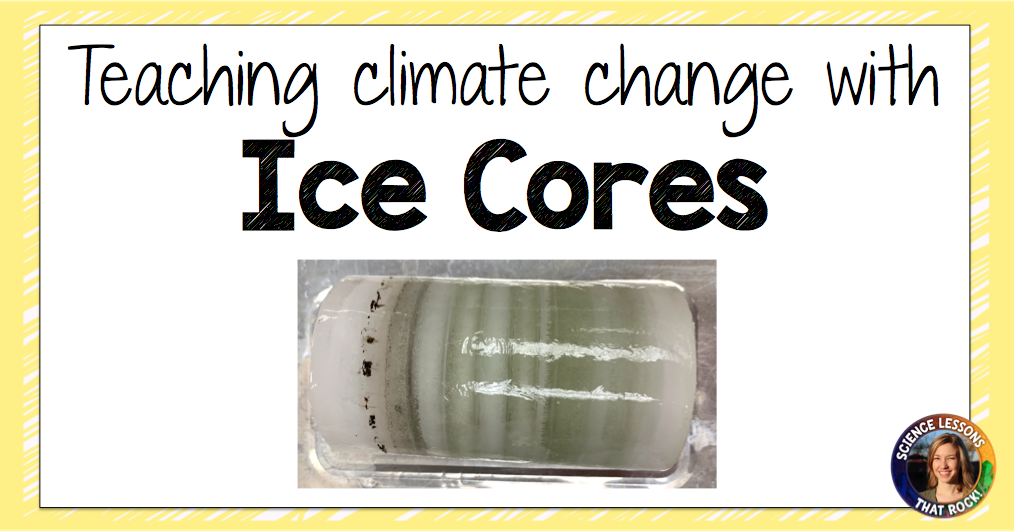
Teaching Climate Change with Ice Cores

At the end of every school year we end our life science curriculum with geologic time. It’s one of my favorite units because I get to bust out my fossil collection (If you know me, that’s a big deal). It’s hard to talk about geologic time, mass extinctions, and evolution

Read More »

Invasive Species Teaching Resources

One of the most common projects for invasive species is for students to make a “Most Wanted” poster. Students do research on an invasive species of their choice and create a wanted poster that includes facts about the species and what they would be “wanted” for. It can be fun,

Read More »