Get tips, resources, and ideas sent to your inbox! ➔

Welcome to the Blog!

Search

Practice Writing Scientific Procedures

Writing out CLEAR and DESCRIPTIVE scientific procedures is hard for students. It takes practice! Many teachers start off with a fun activity like how to make a peanut butter and jelly sandwich. Students will likely forget some important steps! This Youtube version made me smile: Anywho, it’s important for students

Read More »

Where to Find Free Science Articles

As teachers we want our students to increase their reading comprehension skills. I’ve found that most of my students don’t mind reading when you give them an interesting piece of text. If you assign textbook reading the moans will follow (and honestly, as adults we don’t love to read textbooks

Read More »

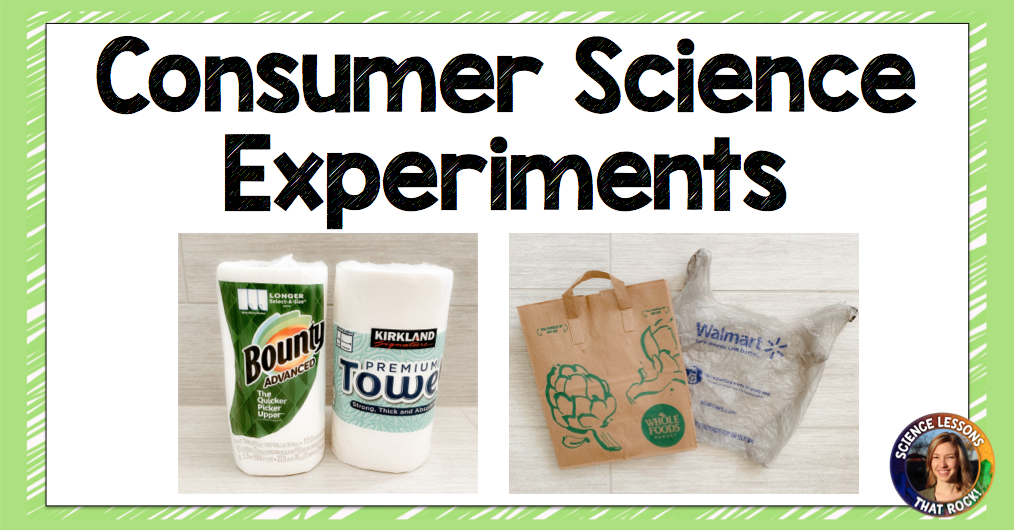
Consumer Science Experiments

Want a new way to review the scientific method and variables at the beginning of the school year? Try having students conduct a consumer science experiment! In this lab students will chose two products that they use in their everyday life and design an experiment to test it’s effectiveness. What’s

Read More »

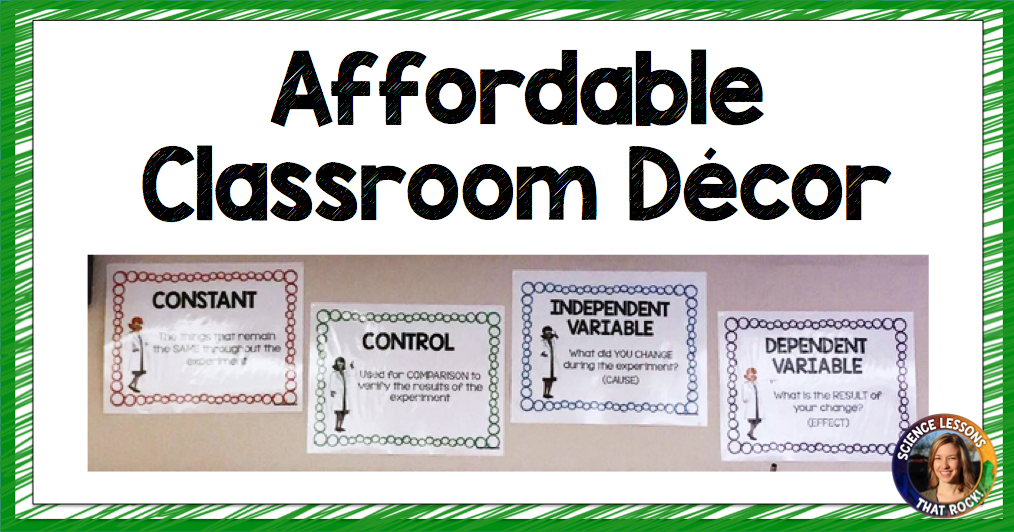
Classroom Decor on a Budget

We all would love a picture-perfect-pinterest-designed classroom. But if you start adding up the cost of new posters, paint, flexible seating… you will break the bank. I remember as a first year teacher I felt like I had to spend a fortune on posters to fill up wall space (and

Read More »

Tips for building relationships virtually

Most of US schools are preparing to go back virtually in a couple weeks. Going virtual in the spring was definitely a transition, but since we already knew our students and had existing relationships with them, it wasn’t as hard to call home and stay on top of them with

Read More »

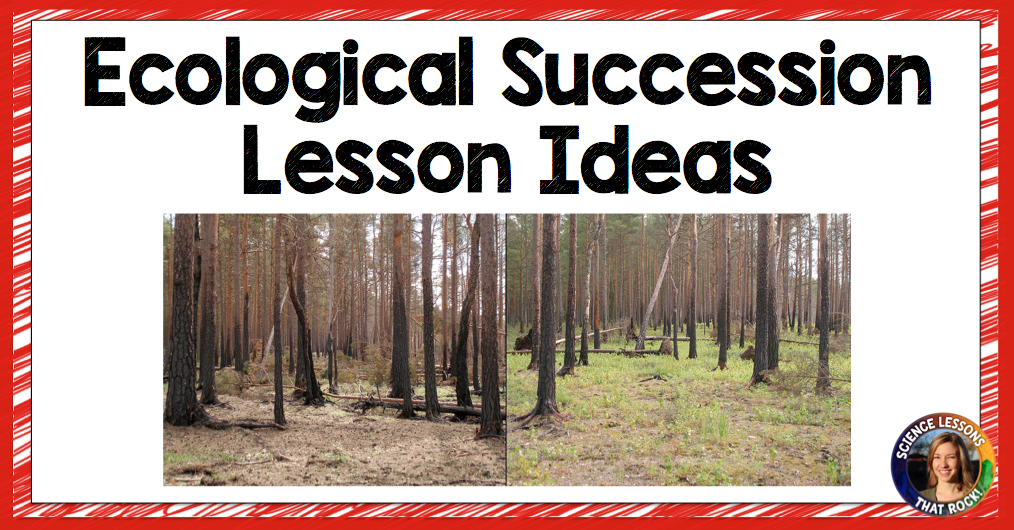
Resources for Teaching Ecological Succession

Ecological succession can seem like a simple process… grass, shrubs, small trees, big trees. But how does an ecosystem evolve from nothing? I always begin this lesson by showing students a picture of earth as it was first developing and a picture of the earth today. Next I ask students-

Read More »

Introducing Diffusion with Smelly Balloons

Diffusion is a topic that is covered in biology (when we introduce cell membranes) and chemistry (particle movement and kinetic theory). I came across this “smelly balloons” activity on Flinn’s website and thought it was such a fun way to introduce diffusion. In this activity, students will smell balloons that have

Read More »

End of the School Year Ideas for Science

You’ve made it to the end of the school year! The last month can be tough to get through, and students start checking out mentally. It can be tough to find assignments that a) keep them engaged, b) aren’t too big of projects (because half of them won’t complete it…)

Read More »

Citizen Science Projects

WHAT IS CITIZEN SCIENCE?Citizen science is when the public participates in scientific research. Every-day citizens share and contribute data with the goal of increasing scientific knowledge. You do not have to be a trained scientist in order to participate. WHY YOU SHOULD TRY ITCitizen science is great to do with

Read More »

5 Low Prep Ideas for Distance Learning

Looking for low stress and low prep ideas as we navigate distance learning? Here are 5 ideas you can use with your secondary science students: 1. CLICK HERE to check out virtual field trips your students can explore! 2. CLICK HERE to see a full list of science related movies,

Read More »
virtual-field-trip-science

Virtual Field Trips

Don’t have the funds to take students on a field trip? Living in the age of technology allows us to virtually visit and see sights around the world (or solar system!) that most of us wouldn’t get the opportunity to ever see. I’ve compiled a list of science-related virtual field

Read More »

Protein Synthesis Activity

Do your students truly understand protein synthesis? Not just knowing how to convert DNA to mRNA to amino acids, but TRULY understand how and why the process works? I struggled with this for a while. My students were great with A’s, T’s, C’s, and G’s (and U!) but couldn’t explain

Read More »