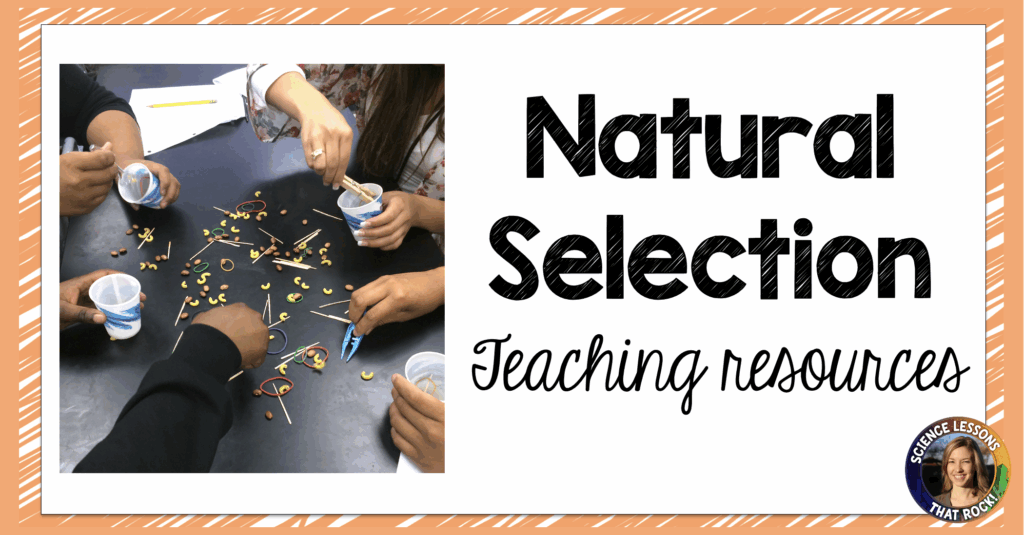
Natural selection is one of my favorite topics to teach. Students enter the classroom with prior misconceptions and it’s fun to have students figure out what natural selection and evolution really mean. Here is a list of my favorite natural selection and evolution activities!
Natural Selection and Evolution Activities
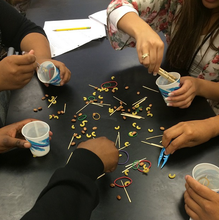
1. Battle of the Beaks: This lab is always a hit! Students get to simulate Darwin’s finches by having different “beaks” (tweezers, clothespins, spoon, etc) and feed on different foods types. This lab is fully editable so you can swap out the items based on whatever you have laying around. Download it FREE here!
2. Rock Pocket Mouse: In this activity students examine how fur color in pocket mice determines their fitness. Students learn that mutations aren’t “good” or “bad,” but instead are beneficial or harmful based on their environment. Check it out here for free on biointeractive’s website. Note: there are multiple versions of this activity based on your grade level.
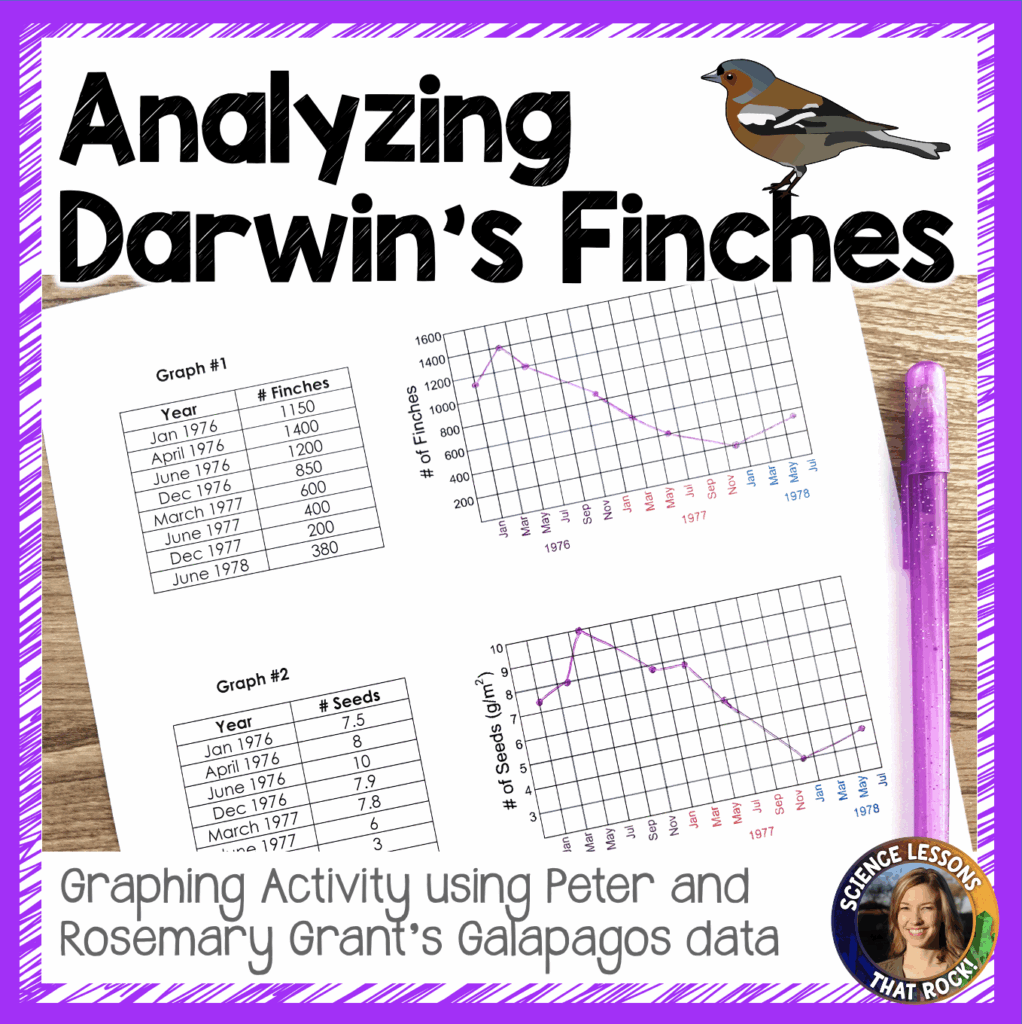
3. Darwin’s Finches: This activity looks at the research of Peter and Rosemary Grant. This couple studied Darwin’s finches on the Galapagos Islands and saw evolution occur twice within a short number of years. This activity incorporates graphing skills which is always great to throw in! Check it out on my website or on TpT.
4. Peppered Moth Simulation: In this online game, students act as birds eating peppered moths off tree bark. They complete 2 rounds- one on light colored bark and another on dark colored bark. They can see how the population of moths changes over time.
5. PHET: Here is a natural selection simulation using bunnies from PHET. It takes it a step further than the peppered moth simulation by showing genetic changes and environmental factors that impact traits over the generations.
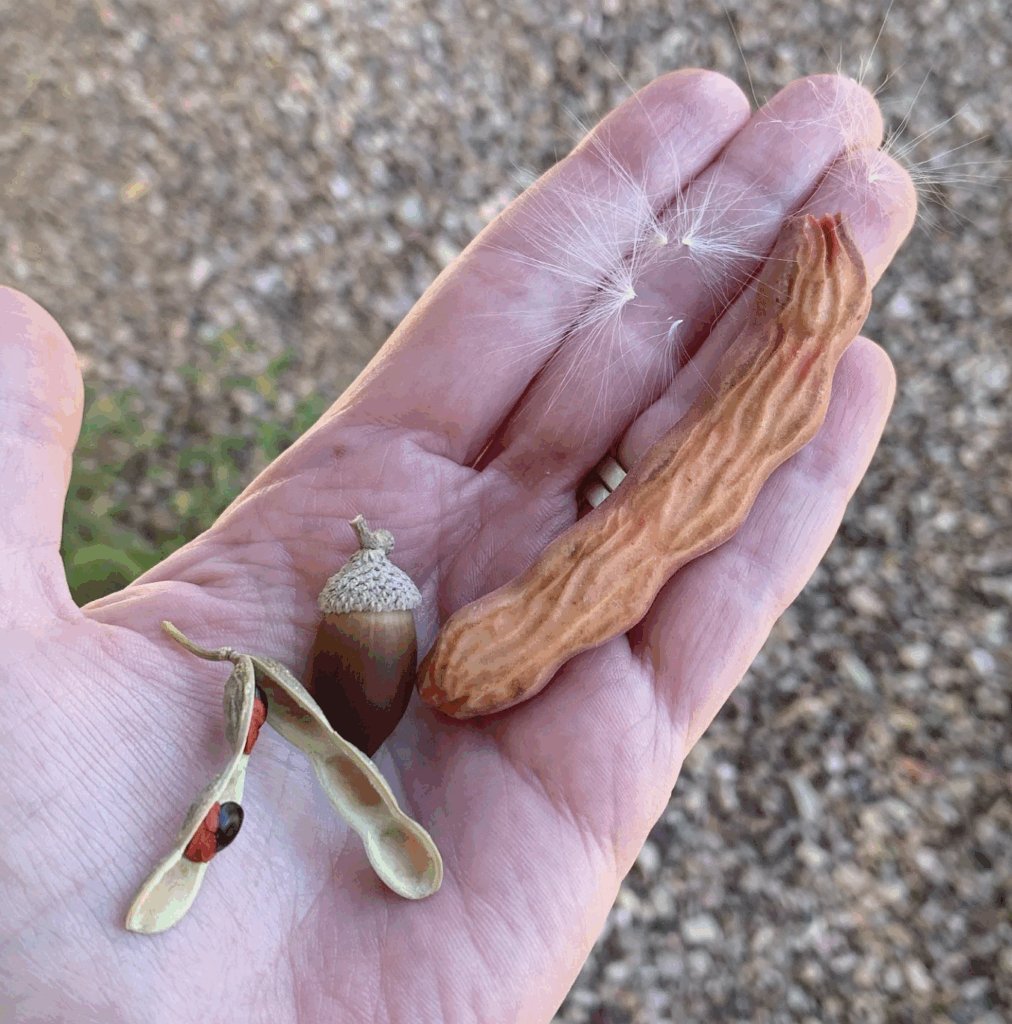
6. Seed Dispersal: We tend to focus on animal species when we talk about natural selection, but plant traits are shaped by natural selection too! In this activity, students analyze different seeds and figure out how they are dispersed. Why do dandelion seeds float in the wind, while heavy acorns drop to the ground?
You can find it on my website or on TpT.
7. Comic Strip: Do you have students that enjoy cartoons and comic books? Have them read this “Survival of the Sneakiest” from Berkeley. Students will realize that “fitness” doesn’t necessarily mean strong, but can also mean other things… like being sneaky.
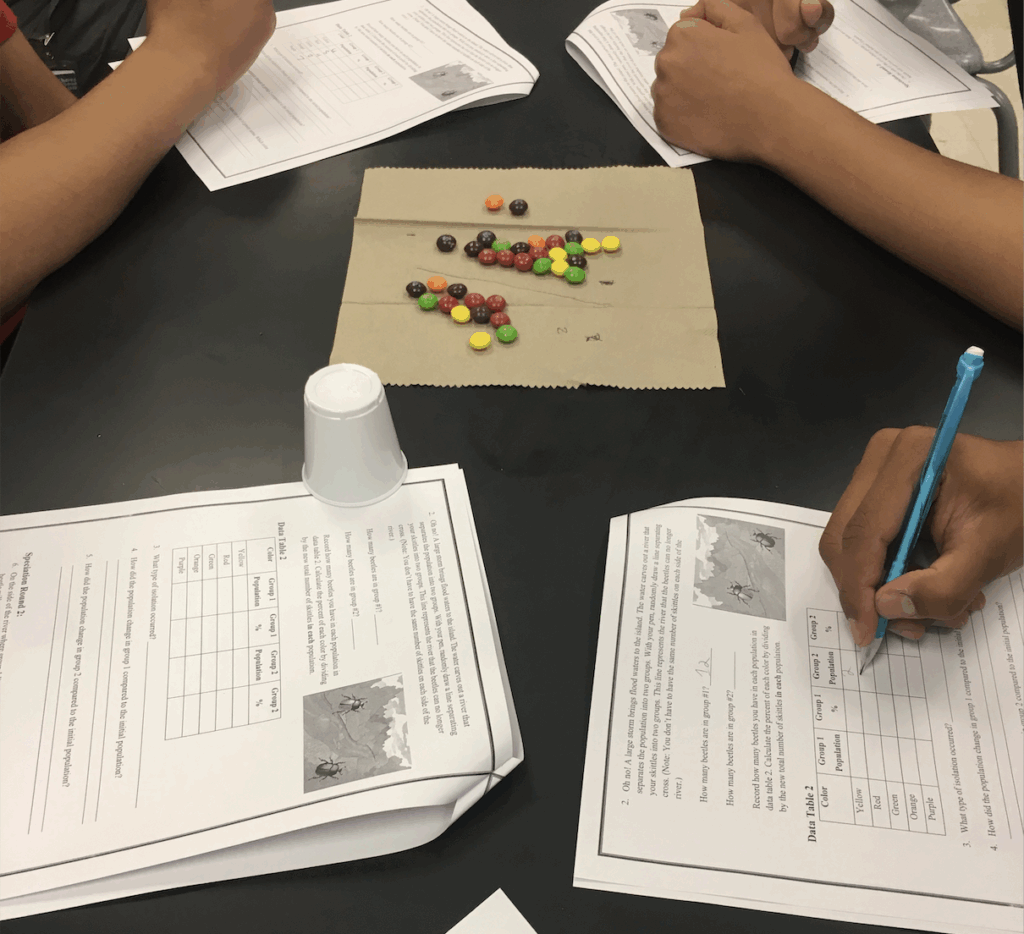
8. Speciation Simulation: After we watch the speciation video, I have students model different modes of isolation with this lab. Bonus: it uses candy so students automatically want to do the lab and get to eat them at the end. You can find it on my website or on TpT.
(Head to this blog post to get more speciation ideas!)

9. Sexual Selection: Selection isn’t always purely based on survival, it can also be based on your ability to attract a mate. In this “Mate Match” sexual selection gameshow, students are shown males with different mating behaviors and get to choose which male would win over the heart of a female. This is perfect if you teach this unit around Valentine’s Day! You can find this game on my website or on TpT.
10. Choice Board: Need an activity to wrap-up the unit? Have students choose a few options off this digital choice board (it comes with both Google Slide and Powerpoint formats). You can find it on my website or on TpT.

11. BONUS: This one’s not for students, but for you! If you enjoy reading, check out this book “Survival of the Sickest” by Dr. Sharon Moalem. The premise is this: if natural selection is supposed to weed out harmful traits, then why do we still have diseases like diabetes and cystic fibrosis in the population? I found this book fascinating!
If you feel like your students are ready to delve into hominid evolution, check out this blog post that includes some resources.
Rock On,